If you’ve ever picked up a cake for a celebration, you probably focused on how it looks or how much it costs.
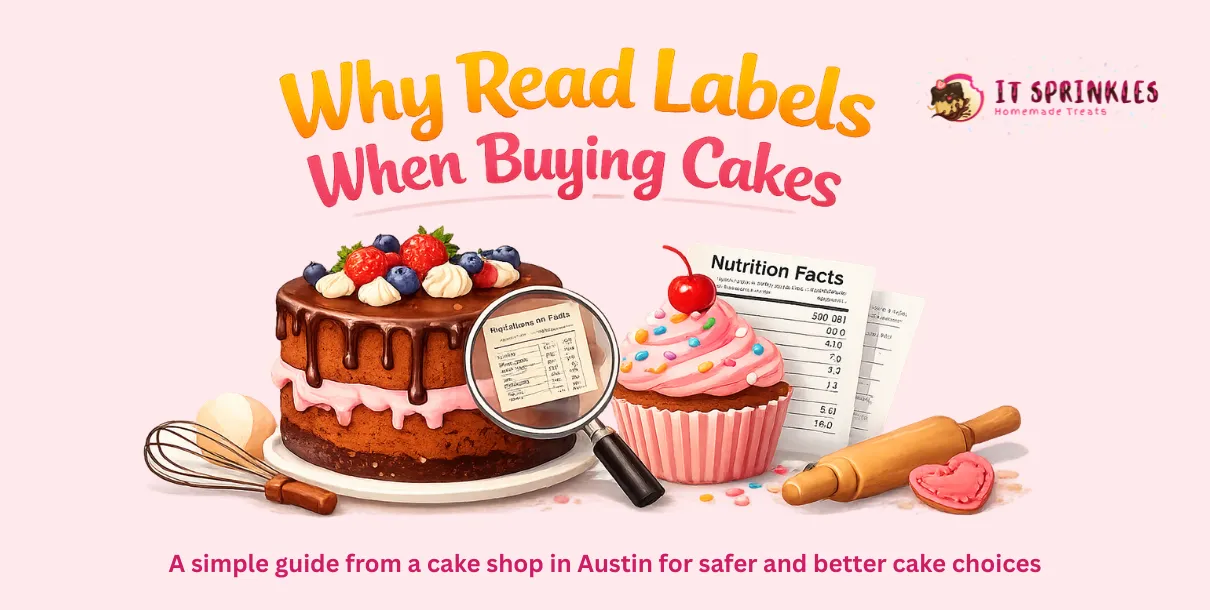
But very few people think about why read labels when buying cakes, even though the ingredients inside can impact taste, freshness, and safety.
For families in Austin, understanding this can make a big difference. Choosing between a store cake and a cake shop in Austin often comes down to what’s inside the cake, not just how it looks.
The Hidden Story Inside Every Cake
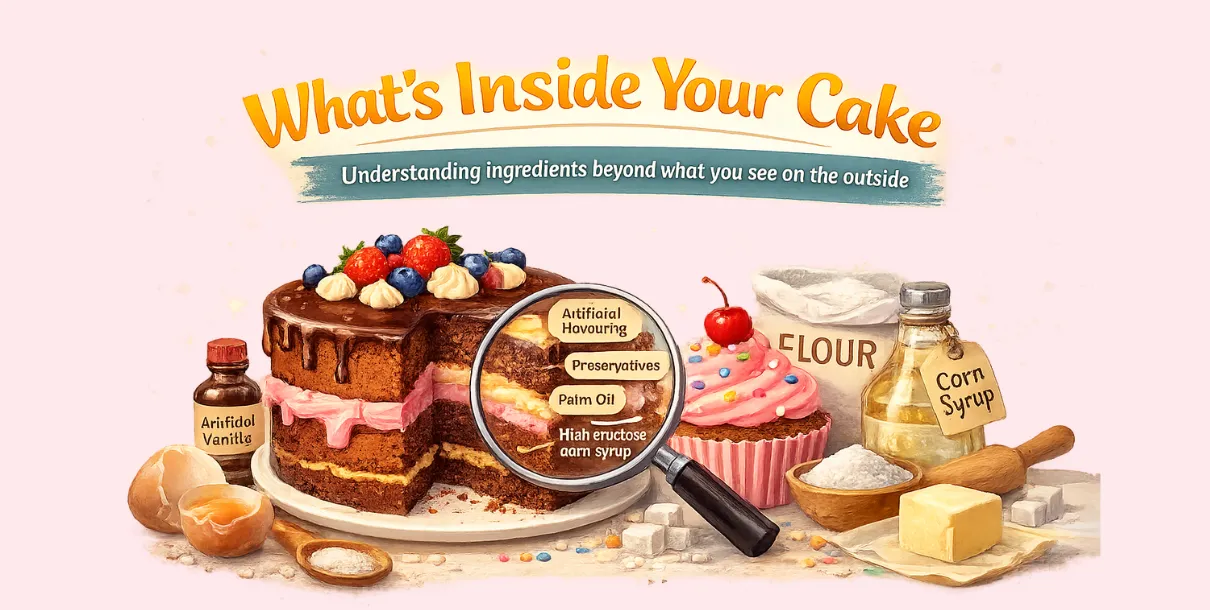
Every cake has a story, and most of it is hidden in the ingredient list.
When you understand why read labels when buying cakes, you begin to notice patterns that help you choose better quality cakes.
Long ingredient lists often indicate heavy processing
Cakes with many unfamiliar ingredients are usually designed for long shelf life rather than freshness. These additives help maintain structure and appearance but can reduce overall taste quality.
Short ingredient lists usually reflect fresher baking
Cakes made by a local cake shop in Austin typically include simple ingredients that are easy to recognize. This simplicity often results in better flavor, texture, and a more natural eating experience.
Hidden sugars and additives are more common than expected
Many cakes contain multiple types of sugar listed under different names, which increases overall sweetness. Reading labels helps you identify these hidden elements and make more informed decisions.
Why Reading Labels Matters for Cakes
Hidden Ingredients You Don’t Notice at First
Artificial colors are often used to enhance appearance
Bright colors may look appealing, but they are usually created using synthetic dyes instead of natural ingredients. These additives do not improve taste and may not align with cleaner eating preferences.
Preservatives extend shelf life but affect freshness
Cakes made for longer storage often include preservatives that keep them from spoiling quickly. While convenient, these can impact the softness and freshness of the cake.
“Natural flavors” are not always simple or transparent
This term can include processed flavor compounds that are not clearly defined. It does not always mean the ingredient is fresh or minimally processed.
Allergies, Intolerances, and Sensitive Diets
Eggs and dairy are common ingredients in traditional cakes
These ingredients are widely used but can be problematic for those following eggless or vegan diets. Checking labels helps ensure the cake meets your dietary needs.
Nuts and gluten can pose serious risks
Even small traces can trigger allergic reactions in sensitive individuals. This is especially important when serving cakes at parties or family gatherings.
“May contain” warnings indicate cross-contact risks
These warnings suggest that the cake was made in a facility that handles allergens. For some people, even this level of exposure can be risky.
Shelf Life vs Freshness
Long shelf life often means more preservatives
Cakes that last longer are usually treated with ingredients that maintain structure and prevent spoilage. However, this often comes at the cost of freshness and natural taste.
Fresh cakes have a shorter shelf life but better texture
Cakes from a cake shop in Austin are typically made in smaller batches and consumed quickly. This results in softer layers and a more enjoyable experience.
Storage conditions also impact freshness
Cakes kept in cold storage for extended periods can lose moisture and become dense. Fresh cakes are less affected by these issues.
How to Read Cake Labels Like a Pro
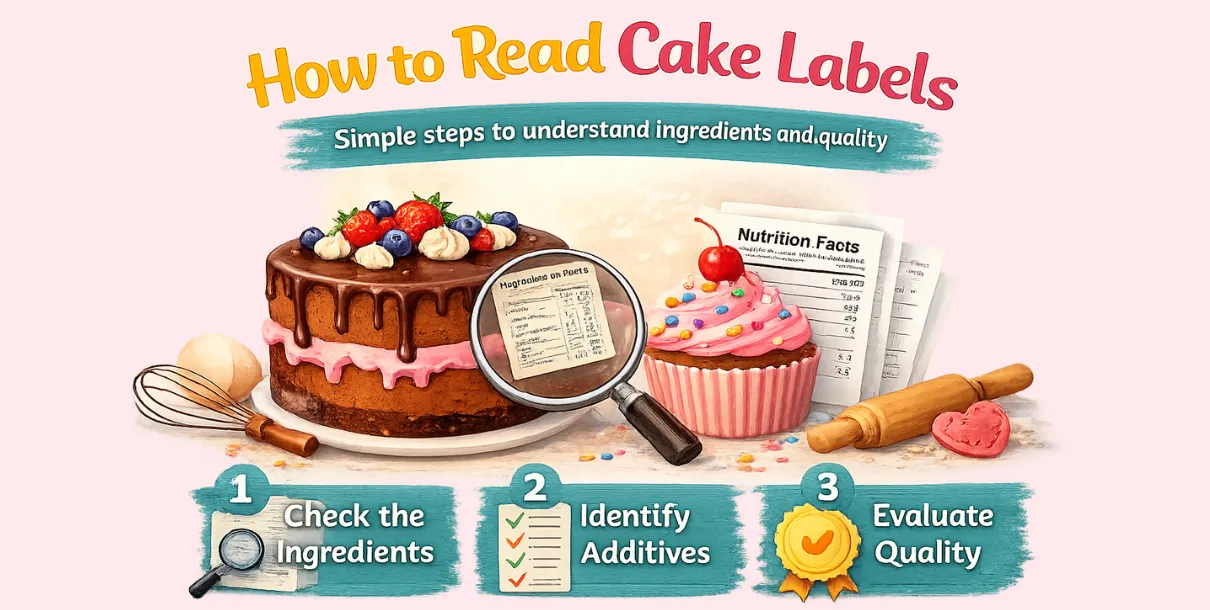
Start with the Ingredient List
Look for familiar ingredients
Ingredients like flour, sugar, and butter are easy to recognize and usually indicate a straightforward recipe. This is often a sign of better quality baking.
Avoid complex chemical names
Long or unfamiliar ingredient names often indicate processed additives. These are typically included for stability rather than taste or freshness.
Check the order of ingredients
Ingredients are listed by quantity, so the first few items make up most of the cake. This helps you understand what the cake is primarily made of.
Spot Common Red Flags
Hydrogenated oils indicate processed fats
These oils are used to extend shelf life and improve texture, but they are not ideal for quality baking. Their presence often signals a mass-produced product.
Artificial colors and flavors reduce natural appeal
While they enhance visual appearance, they do not contribute to real flavor. Natural ingredients usually provide a more balanced taste.
High-fructose corn syrup increases sugar levels
This ingredient is often used to sweeten cakes cheaply. It can lead to overly sweet flavors that lack depth and balance.
Understanding Allergen Labels
“Contains” means the ingredient is definitely present
This label is clear and direct, helping you quickly identify whether a cake is suitable for your needs.
“May contain” suggests possible cross-contact
This indicates that allergens could be present due to shared equipment. It requires extra caution for sensitive individuals.
Facility warnings indicate shared production spaces
Cakes made in shared facilities may carry risks even if the ingredient is not directly used. This is important for severe allergies.
Decoding Date Labels
Best-before dates indicate peak quality, not freshness
The cake may still be edible after this date, but its texture and taste may not be at their best.
Sell-by dates are for store management
These dates help stores manage inventory but do not guarantee freshness for the customer.
Fresh cakes are made closer to serving time
Cakes from a cake shop in Austin are often prepared just before pickup, ensuring better quality.
Packaging Clues You Should Notice
Sealed plastic packaging suggests long storage
This type of packaging is designed to keep cakes shelf-stable for longer periods. It often indicates a processed product.
Simple boxes indicate fresh preparation
Local cake shops typically use basic packaging because their cakes are made for immediate consumption.
Minimal packaging aligns with small-batch baking
Less packaging usually reflects a focus on freshness rather than mass distribution.
The Problem with Store-Bought Cakes
Mass Production Over Freshness
Cakes are produced in large quantities
Mass production focuses on efficiency rather than quality, which can affect consistency and taste.
They are often frozen and transported
This process can change the texture, making cakes less soft and fresh.
Storage time reduces moisture and flavor
The longer a cake sits, the more likely it is to lose its original quality.
One-Size-Fits-All Recipes
Recipes are standardized for efficiency
This limits creativity and prevents customization based on customer preferences.
Dietary adjustments are difficult to accommodate
Store cakes often cannot be modified for vegan, eggless, or allergen-friendly needs.
Lack of Transparency
You cannot speak directly with the baker
This makes it harder to understand how the cake was made or what ingredients were used.
Ingredient sourcing and preparation are unclear
This lack of information can reduce trust in the product.
Why You Should Get a Cake from a Local Baker in Austin
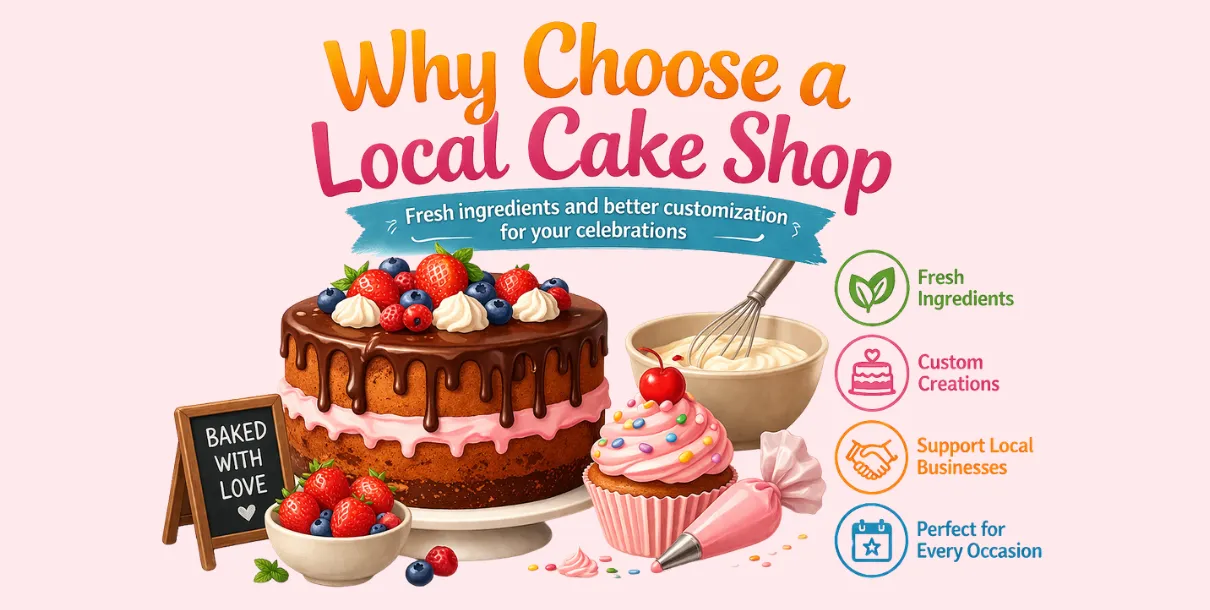
Fresher Ingredients, Better Results
Small batch baking ensures higher quality
Each cake is prepared with attention to detail, resulting in better consistency and taste.
Ingredients are often simpler and more natural
This leads to a cleaner, more enjoyable flavor profile.
Customization for Your Needs
You can request eggless or vegan options
This flexibility ensures the cake fits your dietary preferences perfectly.
Flavors and designs can be personalized
This makes celebrations more meaningful and unique.
Better Taste and Texture
Fresh cakes are softer and more flavorful
They retain moisture and provide a richer experience.
Balanced sweetness improves overall taste
Unlike store cakes, they are not overly sugary.
Transparency and Trust
You can directly communicate with the cake shop
This allows you to ask questions and understand the process.
Ingredients and preparation methods are shared openly
This builds confidence in your purchase.
Supporting Local Austin Community
Supports small businesses and local economy
Your purchase helps sustain independent cake shops.
Reduces transportation and packaging impact
This makes it a more sustainable choice.
Final Thoughts
Understanding why read labels when buying cakes is not just about checking ingredients, it’s about making more informed choices for your family, your health, and your celebrations.
When you take a moment to read a cake label, you start to notice what often goes unnoticed. You become aware of hidden sugars, artificial additives, and potential allergens that may not align with your preferences. This small habit can help you avoid low-quality, highly processed cakes and guide you toward better options.
At the same time, reading labels also changes the way you think about quality. You begin to value freshness, simplicity, and transparency, rather than just appearance or price. This is where the difference between store-bought cakes and cakes from a cake shop in Austin becomes clear.
A local cake shop focuses on what truly matters. Fresh ingredients, small-batch preparation, and the ability to customize each cake based on your needs. Whether you are looking for eggless, vegan, or allergen-friendly options, you have the flexibility to ask questions and get exactly what you want.
For important occasions like birthdays, family gatherings, or celebrations with kids, this level of care and clarity makes a real difference. You are not just choosing a cake, you are choosing something that reflects quality, trust, and attention to detail.
In the end, knowing why read labels when buying cakes helps you make smarter decisions, but choosing a trusted cake shop in Austin takes it one step further by giving you freshness, customization, and peace of mind.
Because every celebration deserves a cake that is not only beautiful, but also made with care and clarity.